
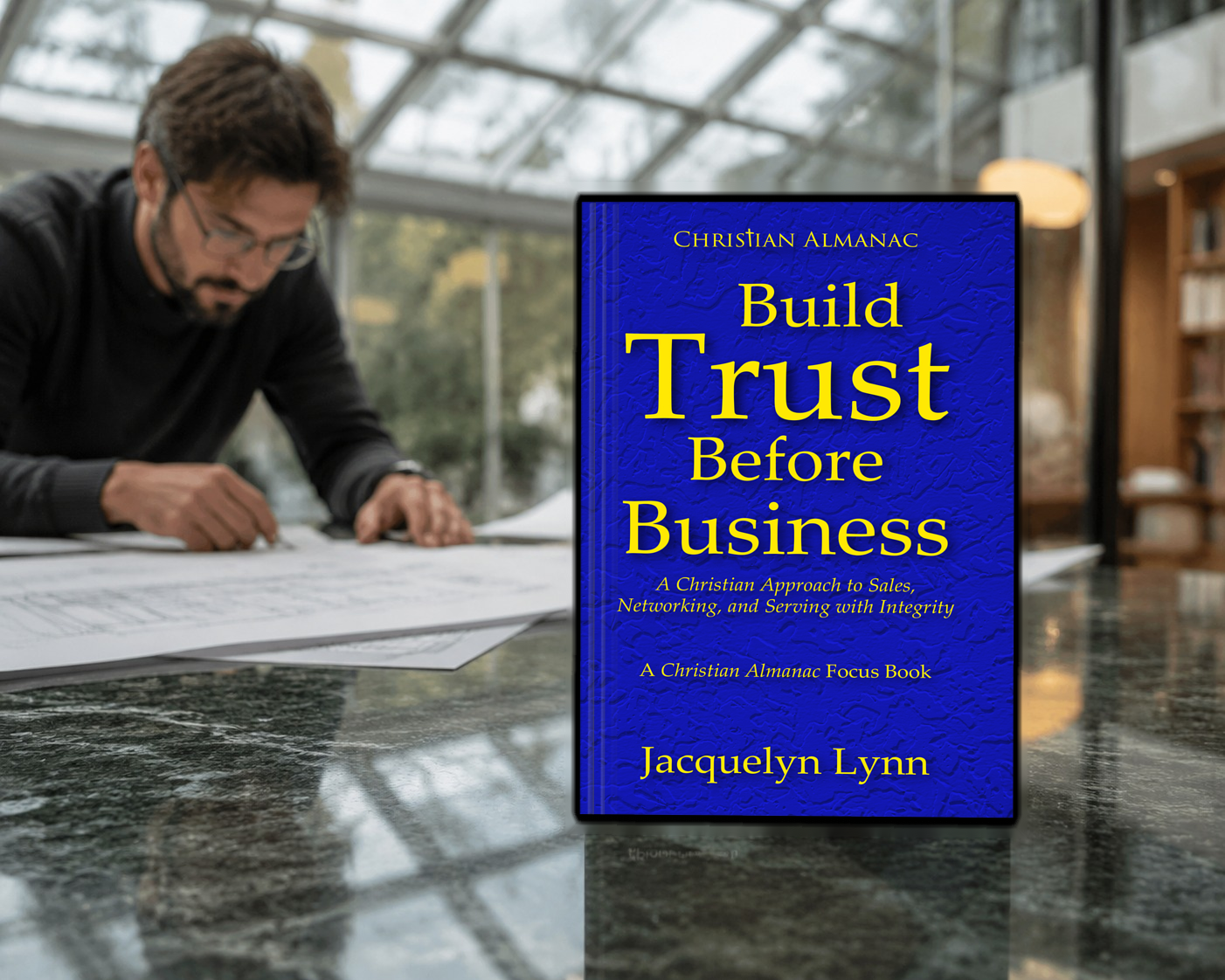
Too often, sales and networking are framed as tactics to be mastered—scripts, conversion hacks, and pressure tactics that prioritize results over people. For Kingdom-minded entrepreneurs and leaders, those approaches create tension: you want to grow, but not at the cost of integrity. Build Trust Before Business invites a different posture: begin by building trust, and let business follow.
This theme shows up in simple but powerful shifts. Instead of opening a conversation with a pitch, start by listening. Rather than emphasizing features, highlight how your work solves a problem for a real person. When price comes up, discuss it clearly and confidently, not defensively. These changes aren’t just stylistic; they reshape the relationship and create space for honest, sustainable outcomes.
Trust as a Business Strategy
Thinking of trust as strategy might feel countercultural in an attention-driven market. But trust reduces friction. It shortens decision cycles. It turns one-off interactions into long-term partnerships. For leaders who serve congregations, nonprofit networks, or mission-focused businesses, trust also protects mission integrity—ensuring that outcomes remain aligned with values.
Practical Habits That Build Trust
- Listen first: Ask questions to understand pain points before proposing solutions.
- Speak plainly: Explain what you do in clear language without jargon or overpromise.
- Value people over deals: Make introductions and referrals without expecting immediate reciprocity.
- Follow up respectfully: Keep commitments and honor boundaries—consistent small actions build credibility.
Building trust also requires courage. You may lose opportunities when you refuse to use manipulative tactics. That’s a positive loss. Losing in that way preserves the witness and character of your work, and it invites the right clients and relationships—those that sustain you and serve your purpose.
Faith, Stewardship, and the Long View
For readers guided by faith, trust before business is an expression of stewardship. It’s a reminder that our work belongs to a larger story. When leaders choose people over immediate gains, they model a Gospel-shaped approach to commerce—one that honors neighbors, staff, and customers alike.
Ultimately, trust isn’t a soft add-on; it’s the foundation of meaningful, sustainable business. Build it first, and you’ll find that opportunities come more naturally, decisions become clearer, and your efforts bear fruit that lasts.
